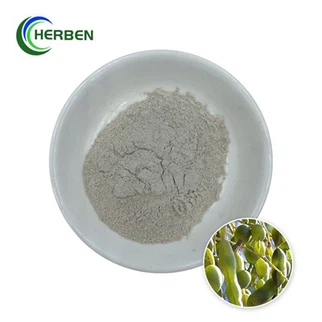

What's NNMTi?

5-Amino-1-methylquinolinium iodide,CAS No. 42464-96-0, a brown to reddish brown powder, which is a potent inhibitor of nicotinamide N-methyltransferase (NNMTi).
Product Name: 5-Amino-1-methylquinolinium iodide
Other Name:Compound 1k, NNMT inhibitor
Appearance:Brown to Reddish Brown Powder
CAS No.: 42464-96-0
SMILE:C[N+]1=CC=CC2=C(C=CC=C21)N.[I-]
Molecular weight: 286.11
Specification: 98%
Molecular Formula: C10H11IN2
Solubility:Soluble in DMSO
NNMTi (Compound 1k, NNMT inhibitor) is a potent inhibitor of nicotinamide N-methyltransferase (NNMT) (IC50=1.2 μM). NNMTi can promote myoblast differentiation and has potential anti-tumor activity. NNMTi can promote myoblast differentiation in vitro and enhance the fusion and regeneration capacity of muscle stem cells in aged mice.
Experimental reference
The following solution preparation method is only a theoretical value calculated based on molecular weight.
Before preparing solutions of different products, their solubility limitations in different solvents must be considered.
Protein/cell experiments
| Concentration/Solvent Volume/Mass | 1mg | 5mg | 10mg |
| 1mm | 3.4952 ml | 14.4758ml | 34.9516ml |
| 5mm | 0.699 ml | 3.4952ml | 6.9903ml |
| 10mm | 0.3495 ml | 1.7476ml | 3.4952ml |
Hygroscopic DMSO has a significant effect on the solubility of the product, so please use newly opened DMSO;
Please select the appropriate solvent to prepare the stock solution according to the solubility of the product in different solvents; once the solution is prepared, please store it in aliquots to avoid product failure caused by repeated freezing and thawing.
Animal experiments
It is recommended that you refer to published relevant experimental literature when formulating animal dosing and experimental plans.
For example, if your dosage is 10 mg/kg, the average weight of each animal is 20 g, the dosage volume for each animal is 100 μL, and the number of animals is 20, then the total dosage required for the animal experiment is 4 mg, and the final concentration of the working solution is 2 mg/mL.
Application
1. Muscle function and aging
NNMTi shows great potential in improving muscle function in aged mice. Studies have shown that NNMTi treatment can enhance muscle performance, and its effect even exceeds exercise intervention. In 24-month-old mice, NNMTi treatment, exercise, or a combination of both can significantly improve indexes such as grip strength, running ability, gastrocnemius peak torque, fatigue resistance, and muscle mass and fiber type.
2. Obesity and metabolic diseases
NNMTi also shows effects in the treatment of obesity and related metabolic diseases. Studies have found that NNMTi treatment can reduce body weight and fat mass in obese mice, while improving plasma lipid profiles. NNMTi affects the methylation balance in cells by regulating the NAD+ salvage pathway and the SAM-mediated pathway, thereby regulating energy consumption and promoting NAD+ depletion, and fighting obesity and type 2 diabetes.
3. Cancer research
NNMT expression levels are elevated in a variety of cancers and are associated with tumor progression. NNMTi shows potential anti-tumor activity by selectively inhibiting the proliferation of tumor cells and reducing non-target effects in non-tumor tissues.
4. Drug metabolism and detoxification
NNMT plays a key role in the biotransformation and detoxification of drugs and exogenous compounds. NNMTi affects drug metabolism by regulating intracellular NAM levels, providing a new perspective for drug metabolism and detoxification research.
5. Neurodegenerative diseases NNMTi
may affect the progression of neurodegenerative diseases by regulating NAD+ levels, as NAD+ is a key molecule in cellular energy metabolism and neuroprotection.
Experimental research and market application prospects
1. In in vitro studies, NNMTi (10-30 μM; 96 hours) produced a concentration-dependent increase in myoblast differentiation in C2C12 myoblasts. 30 μM NNMTi produced 18% MHC-positive myotube nuclei, which increased myoblast differentiation by 45% compared to untreated differentiated myoblasts (12% MHC-positive myotube nuclei) .
2. In addition, NNMTi was able to promote the fusion and regenerative capacity of muscle stem cells in aged mice, which may be a potential drug for the treatment of age-related muscle atrophy .
3. With a deeper understanding of the mechanism of action of NNMTi, these compounds are expected to become new strategies for the treatment of a variety of diseases .
some statistics about us you must know
Choose the plan that suits you best.
10
+
Years of experience
36
%
TECHNICIANS & WORKERS
2578
+
SATISFIED CUSTOMERS
1984
+
completed projects