









What is MOTS-C
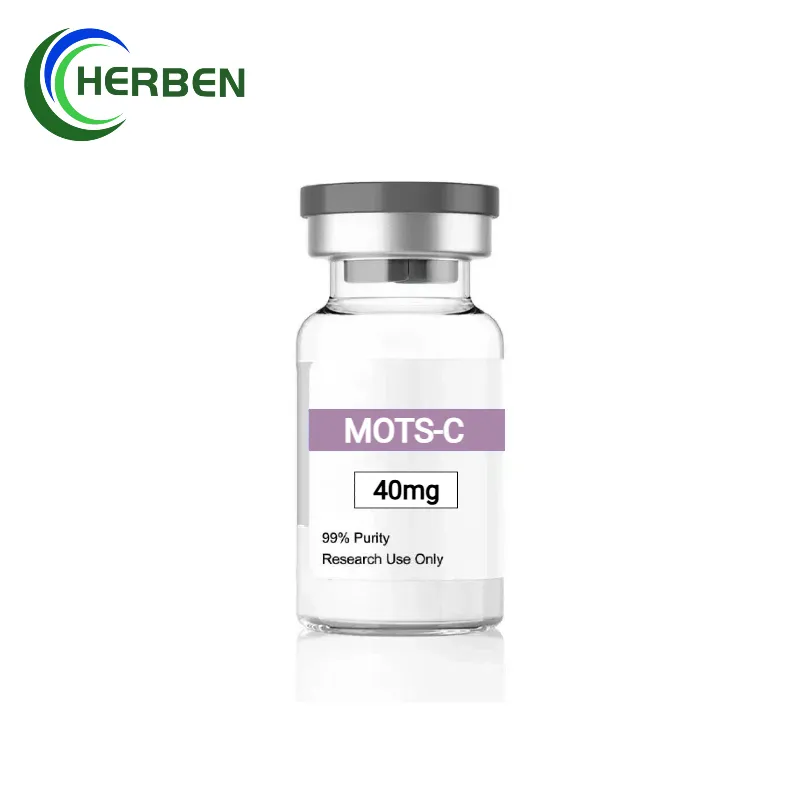
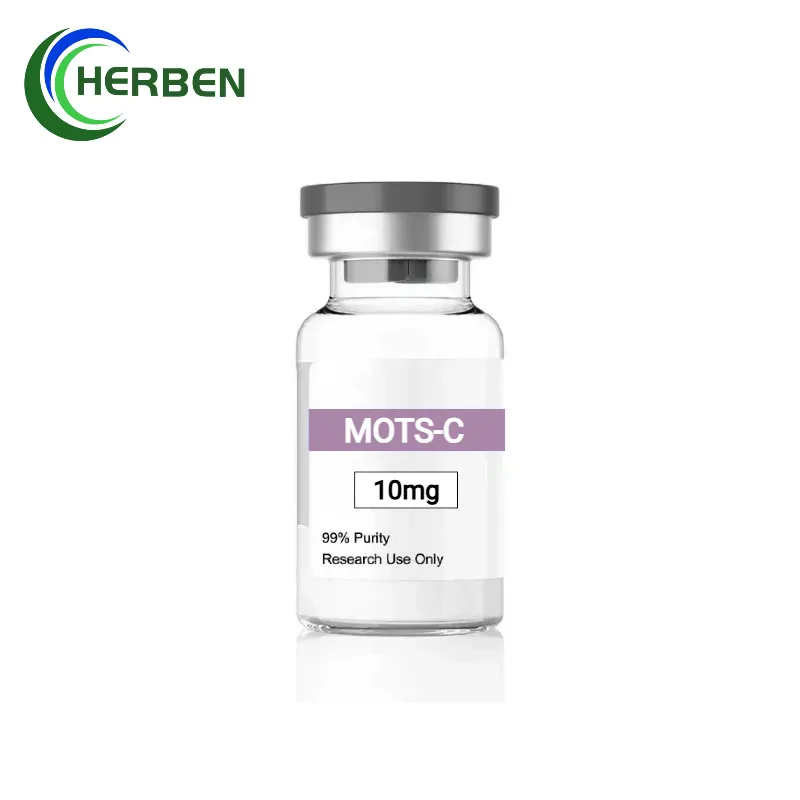
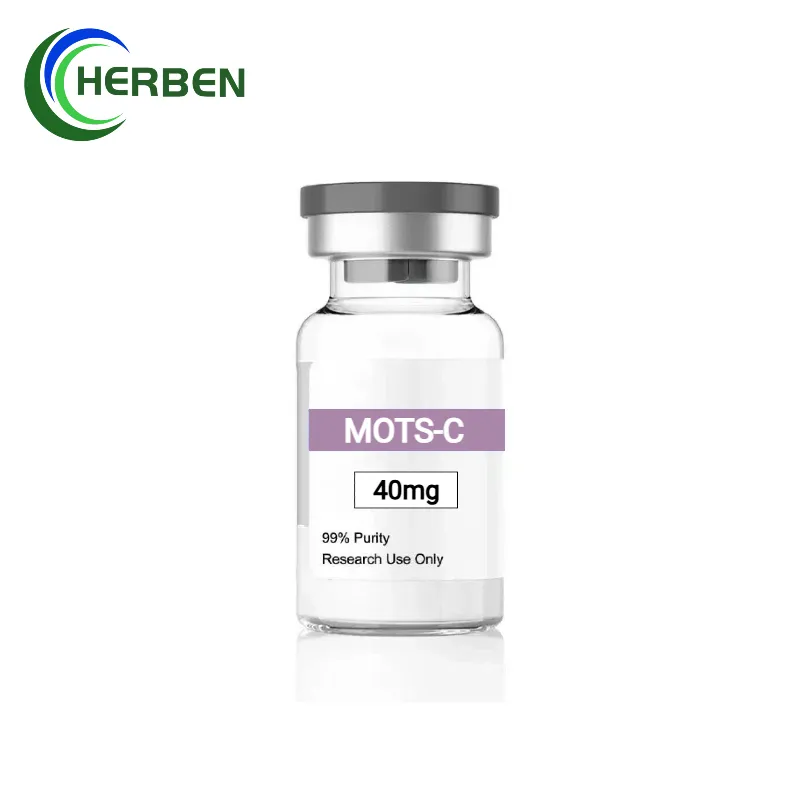
MOTS-C (Mitochondrial Open Reading Frame of the 12S rRNA-c) is a naturally occurring peptide composed of 16 amino acids and encoded by mitochondrial DNA. Unlike most peptides that originate from nuclear DNA, MOTS-C is produced directly by the mitochondria and is classified as a Mitochondrial-Derived Peptide (MDP).
Research suggests that MOTS-C plays an important role in regulating cellular energy metabolism and activating the AMPK (AMP-activated protein kinase) signaling pathway. AMPK is widely recognized as one of the body's primary energy sensors and is closely associated with glucose utilization, fat oxidation, exercise adaptation, and metabolic health.
Due to its unique mechanism of action, MOTS-C has become a major focus of research in the fields of metabolic optimization, exercise performance, mitochondrial function, and healthy aging.
Benefits of MOTS-C Peptide
1. Supports Healthy Metabolism
MOTS-C has been shown in preclinical studies to enhance glucose uptake and improve insulin sensitivity, helping support healthy metabolic function and energy balance.
2. Promotes Fat Oxidation
Research indicates that MOTS-C may encourage the body to utilize stored fat as an energy source, improving metabolic flexibility and supporting body composition goals.
3. Enhances Exercise Performance
Often referred to as an "exercise mimetic," MOTS-C may activate metabolic pathways similar to those stimulated by physical exercise, potentially supporting endurance, stamina, and athletic performance.
4. Supports Mitochondrial Function
As a mitochondrial-derived signaling peptide, MOTS-C plays a role in maintaining cellular energy homeostasis and supporting optimal mitochondrial performance.
5. Supports Healthy Aging Research
Natural MOTS-C levels tend to decline with age. For this reason, researchers are investigating its potential role in supporting healthy aging, vitality, and longevity.
Recommended Dosage
Common Research Protocols
At present, there is no officially established dosage approved by regulatory authorities. The following information reflects common research protocols and industry practices:
Beginner Research
5 mg per week
Standard Research
5–10 mg per week
Advanced Research
10–15 mg per week
Administration Frequency
2–3 times weekly.Typical Cycle Length:4–8 week
Administration
Subcutaneous Injection
Reconstitute with Bacteriostatic Water
Refrigerate after reconstitution
Disclaimer: MOTS-C is intended for research purposes only. Human dosing standards have not been established by regulatory authorities.
Potential Side Effects
Human clinical data remain limited. Reported or potential side effects may include:
- Mild redness at the injection site
- Temporary swelling
- Fatigue
- Mild headache
- Flu-like symptoms
- Temporary flushing
Interaction note: MOTS‑c may interact synergistically with NAD+ precursors, senolytics, and other metabolic peptides. Dose‑response matrix experiments are recommended before combining compounds.
Who Should Avoid MOTS-C?
Due to limited clinical research, MOTS-C is generally not recommended for:
- Pregnant or breastfeeding women
- Individuals under 18 years of age
- Individuals using insulin or glucose-lowering medications
- Individuals with serious chronic medical conditions
FAQ
Q: What does MOTS‑c do in the body?
Q: How long does it take for MOTS‑c to work?
Q: Can MOTS‑c help with weight loss?
Q: How should MOTS‑c be stored after reconstitution?
Q: Does MOTS-C increase energy levels?
Hot Tags: mots-c, China mots-c manufacturers, suppliers, factory, API, Daidzein Powder