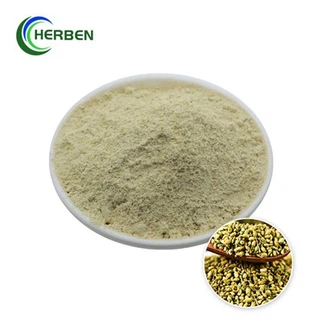

What is Glycyrrhizic acid?
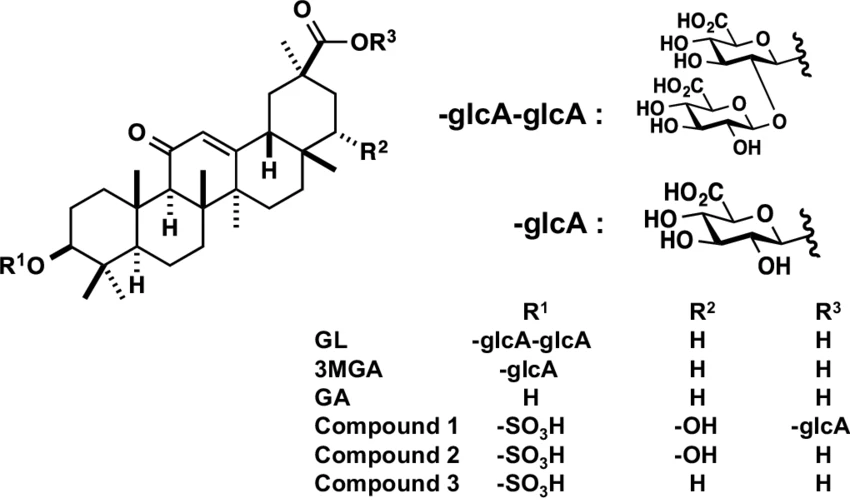
Glycyrrhizic acid (GL), a bioactive triterpenoid saponin extracted from licorice root (Glycyrrhiza glabra), possesses a unique amphiphilic structure comprising hydrophilic glucuronic acid units and a hydrophobic aglycone (glycyrrhetinic acid). This configuration grants exceptional solubility in water and organic solvents, facilitating diverse industrial applications. As a natural anionic surfactant, GL exhibits high stability across pH 3–8 and temperatures up to 100°C, making it suitable for pharmaceuticals and cosmetics. Its sweetness intensity (50–100× sucrose) and distinctive aftertaste further broaden its utility.

Efficacy & Biological Activities
Scientific studies validate GL's multifaceted therapeutic effects:
- 1.Anti-inflammatory & Immunomodulatory: Inhibits NF-κB and MAPK pathways, reducing pro-inflammatory cytokines (TNF-α, IL-6).
- 2.Hepatoprotective: Enhances glutathione synthesis and mitigates liver fibrosis via TGF-β1 suppression.
- 3.Antiviral: Disrupts viral envelopes (including SARS-CoV-2) and inhibits viral replication.
- 4.Skin Benefits: Blocks tyrosinase (whitening), soothes irritation, and boosts collagen synthesis.
- 5.Metabolic Regulation: Modulates 11β-HSD2 enzyme to influence cortisol metabolism.
Note: Potential side effects (hypertension, hypokalemia) at high doses require formulation controls.
Future Prospects
1.Precision Delivery Systems:
Nano-encapsulation (liposomes, micelles) will enhance bioavailability and minimize side effects, enabling targeted therapies for liver cancer and chronic inflammation.
2.Synthetic Biology:
Engineered yeast (Saccharomyces cerevisiae) can produce GL via fermentation, overcoming supply chain vulnerabilities in licorice harvesting (30k tons/year globally).
3.Regulatory Expansion:
GRAS status in the US and EFSA novel food approvals will accelerate F&B adoption as sugar substitute demand surges.
Advantages and disadvantages of GA-mediated delivery of allergens
GA has an anti-allergic effect due to its immunomodulatory, anti-apoptotic and antioxidant properties (Fig. 1) and has a direct effect in improving the symptoms of allergic airway diseases. As a drug vehicle, GA enhances the membrane fluidity and permeability and increases drug stability, which is of great importance for peptide drugs, including allergens. Therefore, the use of GA for allergen delivery has a number of advantages. On the other hand, GA is associated with a risk of lowering the concentration of potassium ions in the blood.60 Side effects of GA include hypokalemia, hypertension, hypertensive encephalopathy, rhabdomyolysis, and cardiac arrest. However, GA leads to side effects after long-term ingestion, and the concentration of GA in food is much higher than required for ASIT. The USA Food and Drug Administration, Council of Europe, and Joint FAO/WHO Expert Committee on Food Additives have approved the use of liquorice extract and GA for nutriment.The upper safe dose of GA is 100 mg per day.

As the GA enhances the T1 immune response, the use of the GA can lead to allergic contact dermatitis.62 Additionally, GA may increase autoimmune reactions according to the T1 type of immune response. However, GA ameliorated the clinical disease severity of experimental autoimmune T1 disease in animal models.63 Considering the antiallergic properties, efficacy as a drug carrier, and complications of glycyrrhizin, the use of GA as a vehicle for ASIT can cause its health benefits to outweigh its side effects.