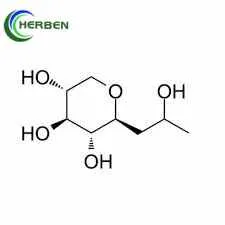

一. Overview of Berberine Hydrochloride
Berberine Hydrochloride is an alkaloid derived from Chinese medicinal plants such as Coptis chinensis, Phellodendron chinense, and Tripterygium wilfordii. It has received extensive attention in both Chinese and Western medicine for its various biological activities, especially in antibacterial, blood sugar regulation, and improvement of intestinal health. With the deepening of scientific research, people's understanding of berberine hydrochloride has continued to deepen, and its application areas have also been continuously expanded.


二. The main effects of berberine hydrochloride
1. Bactericidal and antibacterial, maintaining intestinal health
Berberine hydrochloride has strong antibacterial ability and can effectively inhibit a variety of Gram-positive and Gram-negative bacteria, such as Staphylococcus aureus, Escherichia coli, Helicobacter pylori, etc. Its mechanism of action is mainly to interfere with bacterial DNA replication and protein synthesis, thereby preventing its growth and reproduction. Therefore, it is widely used in the treatment of intestinal infections, bacillary dysentery and other diseases, and helps to improve gastrointestinal problems caused by pathogens.
2. Stabilize blood sugar and improve insulin sensitivity
Studies have shown that berberine hydrochloride can activate the AMPK (adenosine monophosphate-activated protein kinase) signaling pathway, promote sugar metabolism and increase the utilization of insulin, thereby helping to lower blood sugar levels. In addition, it can inhibit excessive glucose synthesis in the liver, help control blood sugar fluctuations in diabetic patients, and make it a potential auxiliary treatment ingredient for type 2 diabetes.
3. Regulate blood lipids and protect the cardiovascular system
Berberine hydrochloride can reduce cholesterol and triglyceride levels, while reducing low-density lipoprotein (LDL), thereby reducing the risk of arteriosclerosis and cardiovascular disease. Its mechanism involves intervening in lipid metabolism and reducing cholesterol synthesis, making it a natural lipid-lowering ingredient, which has a certain protective effect on diseases such as hyperlipidemia and atherosclerosis.
4. Promote intestinal microecological balance
In addition to inhibiting harmful bacteria, berberine hydrochloride can also promote the growth of probiotics and maintain the balance of intestinal flora, thereby improving digestive function and relieving **diarrhea, irritable bowel syndrome (IBS)** and other problems. In addition, it can stimulate bile secretion, enhance fat metabolism, and have a positive effect on gastrointestinal health.
5. Anti-inflammatory and antioxidant, support whole body health
Berberine hydrochloride can reduce the release of inflammatory factors and show certain anti-inflammatory potential in diseases such as chronic inflammation, liver damage, and arthritis. At the same time, its strong antioxidant ability can resist free radical damage, delay aging, and provide potential protection for non-alcoholic fatty liver disease, neurodegenerative diseases, etc.
6. Other potential effects
Recent studies have also found that berberine hydrochloride may have anti-tumor effects and improve nervous system function. For example, in some types of cancer (such as colorectal cancer), it may show potential anti-cancer value by inducing cell apoptosis and inhibiting tumor proliferation. In addition, berberine hydrochloride has also received attention in the study of neurodegenerative diseases such as Alzheimer's disease and Parkinson's disease, and is expected to expand its application areas in the future.
三. Precautions for use
Although berberine hydrochloride has many benefits, the following precautions should be taken when using it:
It is not recommended to take it in large doses for a long time, otherwise it may cause gastrointestinal discomfort, such as nausea and diarrhea.
Pregnant women, breastfeeding women and children should use it with caution, because it may affect fetal development or infant intestinal flora.
Pay attention to drug interactions. Those who take hypoglycemic and lipid-lowering drugs should consult a doctor before use to avoid affecting the efficacy of the drug or causing adverse reactions.
四. Summary
Berberine hydrochloride has shown broad application prospects in the fields of medicine, health care, food, etc. with its multiple functions such as antibacterial, hypoglycemic, lipid-lowering, regulating intestinal flora, anti-inflammatory and antioxidant. In the future, with the deepening of research, its potential in the fields of anti-cancer and neuroprotection may be further explored, providing more possibilities for the development of health science. The rational use of berberine hydrochloride can bring more benefits to human health, but it is also necessary to pay attention to the dosage and applicable population to ensure safety and effectiveness.