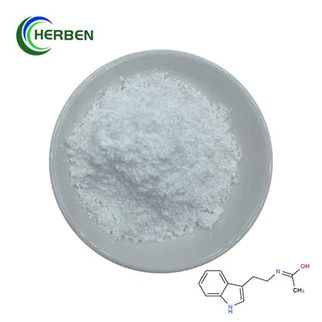

Curcumin is a phenolic compound extracted from the ginger plant Curcuma lon-gaL. It has antioxidant, anti-inflammatory, anti-tumor, anti-HIV, anti-atherosclerosis, and hypolipidemic effects.
However, the solubility of natural curcumin is very poor, and the intestinal absorption rate is relatively low. Curcumin cannot exert the required clinical effects when consumed in small amounts, so it is best to take optimized curcumin. There are currently a variety of patented curcumins on the market, with absorption rates 10 to 144 times that of standardized curcumin. Therefore, the price gap is also very large, but some technologies have not yet been commercialized.

Regarding the relationship between curcumin and health, if we check the information, we will find that it is extremely widely used. It is useful for gastrointestinal diseases, bone and joint diseases, and cardiovascular diseases... But in summary, there are actually two, One is anti-inflammatory and the other is antioxidant, especially the anti-inflammatory effect, which is extremely widely used. Curcumin can help most chronic diseases that require anti-inflammatory intervention.
1. Antioxidant
The molecular characteristic of curcumin is that it has both phenolic and β-diketone structures, so curcumin is a unique antioxidant containing many functional groups. Not only that, curcumin can also increase the activity of various antioxidant enzymes in the body, such as glutathione reductase, catalase, copper/zinc superoxide dismutase, etc., and enhance the ability of these antioxidant enzymes to scavenge free radicals. , thereby reducing oxidative stress.
2. Anti-inflammatory effect
The anti-inflammatory effect of curcumin is one of the most widely used effects. Studies have found that the anti-inflammatory activity of curcumin is comparable to steroidal drugs and non-steroidal drugs, such as indomethacin and phenylbutazone. At the same time, there are no effects of these drugs. side effect.
The anti-inflammatory effect of curcumin is through inhibiting major inflammatory mediators such as cyclooxygenase (COX-1, COX-2), lipoxygenase (LOX), TNF-α, interferon γ, iNOS, and transcription factors such as NF. -kB and activator protein-1 (AP-1) to exert their effects.
The anti-inflammatory effect of curcumin is widely used in various chronic diseases, such as cardiovascular disease, liver disease, tumors, rhinitis, asthma, digestive tract inflammation, skin inflammation, autoimmune diseases, Alzheimer's disease, etc.
main food sources
Ginger, mustard, and curry are rich in curcumin and are the main food sources of curcumin. The content of turmeric is about 3100mg/100g, and that of curry powder is 50-580mg/100g. The curcumin content in turmeric from different origins varies, generally ranging from 1% to 6%.