
Emodin, a natural compound extracted from plants such as rhubarb and knotweed, has attracted much attention for its unique orange needle-shaped crystal form and wide range of pharmacological activities.
Basic introduction
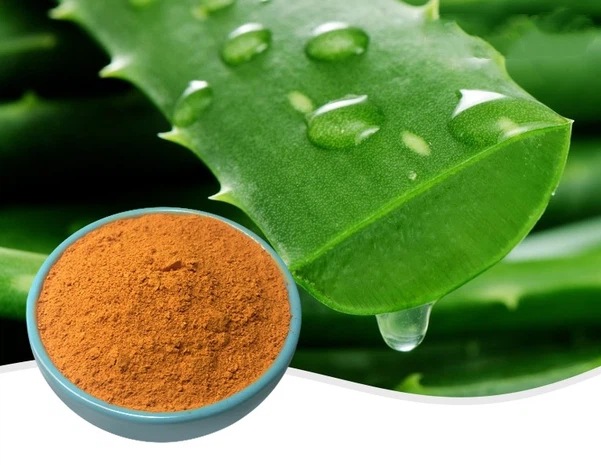
Emodin, chemically known as 1,3,8-trihydroxy-6-methylanthraquinone, is an orange crystalline substance with a special anthraquinone reaction. It is almost insoluble in water, but soluble in ethanol and alkaline solutions, with a melting point of 256-257°C. Emodin is widely present in nature, especially in plants of the Polygonaceae family, and is one of the important active ingredients of many Chinese medicinal materials.
Function
1. Emodin protection and diuretic effect: Emodin effectively protects the kidneys by inhibiting the activation of p38 mitogen-activated protein kinase in rats with diabetic nephropathy and reducing the expression of fibrinogen. In addition, Emodin can also play a significant diuretic role by enhancing ureteral peristaltic waves and increasing the sodium and potassium content in urine.
2. Liver protection: Emodin has a preventive and therapeutic effect on a variety of liver diseases, including liver cancer, fatty liver, and liver fibrosis. It can inhibit the proliferation of hepatic stellate cells and the synthesis of extracellular matrix, thereby reducing the degree of liver fibrosis.
3. Antioxidant effect: Emodin has a strong antioxidant and free radical scavenging ability, which helps to prevent and treat atherosclerosis, and shows obvious antioxidant protective effects on the periodontal tissues of experimental periodontitis rats.
4. Anti-cerebral ischemic injury: Emodin can reduce cerebral ischemia-reperfusion injury by inhibiting the inflammatory cascade reaction of brain tissue and increasing the level of brain-protective factors, and has a protective effect on cerebral ischemic injury.
5. Gastrointestinal effect: Emodin has the effects of laxatives, anti-Helicobacter pylori-induced ulcers, stress ulcers, and protection of intestinal mucosa. Its mechanism may be related to the inhibition of the production and large-scale release of tumor necrosis factor.
6. Antibacterial effect: Emodin has a significant inhibitory effect on a variety of bacteria such as Staphylococcus, hemolytic Streptococcus, diphtheria Corynebacterium, and Vibrio cholerae. In addition, it also has a certain inhibitory effect on fungi, viruses, and protozoa.
Application scenarios
1. Medical field: Due to its wide range of Emodin, widely used in the clinic for diseases, including leukemia, gastric cancer, and other tumors, as well as infectious diseases such as Japanese encephalitis, typhoid fever, dysentery, urinary tract infection, pneumonia, etc. In addition, Emodin is also used to prevent restenosis after coronary interventional treatment and treat chronic diseases such as hepatitis, hypertension, and arteriosclerosis.
2. Health care and daily chemical products: The physiological activity of Emodin is not limited to the medical field, it can also be used in health care and daily chemical products. For example, some people use it in hair care and skin care products, using its antioxidant and anti-inflammatory properties to delay skin aging and improve skin health. In addition, Emodin is also used as a natural pigment and laxative.
3. Drug analysis: As one of the main active ingredients in traditional Chinese medicine, the content determination of Emodin is an important part of the quality control of traditional Chinese medicine.
Modern analytical techniques such as microemulsion liquid chromatography and high-performance capillary electrophoresis have been widely used in the separation and quantitative analysis of Emodin and its analogs, providing a scientific basis for the quality control and efficacy evaluation of traditional Chinese medicine.
As a natural medicinal ingredient, Emodin has become one of the hot topics in modern medical research due to its versatility and wide application prospects. With the in-depth study of its pharmacological mechanism, it is believed that Emodin will play a more important role in the future and make greater contributions to human health.